An island station,
from drawing to grid
On request we design and deliver a complete custom solution for island stations and load peak shaving, covering design, manufacturing and installation, held to the technical specification, the schedule and the budget.
01 — What the scheme contains
Generation, storage and protection on one drawing
The proposal combines current technical standards with engineering practice so the system is efficient, safe and economically viable. The three parts depend on each other: without storage, PV fluctuation lands on the diesel; without fast protection, an island transfer drags the load down.
- 01
Optimised energy mix
Solar PV, storage and diesel backup: PV covers 70% of the daytime base load, storage (lithium or flow battery) covers 25%, and the diesel generator covers the remaining 5% as emergency backup. The EMS monitors load and generation in real time, prefers PV, uses storage to smooth fluctuation, and starts the diesel only when SOC drops below 15%.
- 02
Island protection
A dedicated island protection device operates in 2 s or less (GB/T 19964-2012), with voltage and frequency criteria (±10% Un, ±0.5 Hz) and reverse power protection that trips within 0.5 s above 5% of rated output.
- 03
Remote monitoring
4G/5G cloud monitoring with live data (voltage, frequency, SOC), historical curve analysis, fault alarms such as the ECU red-light warning, and control from a mobile app.
02 — Reference projects
Advanced, reliable, technically ahead
Two sites in service, neither of them gentle: a plateau mine and a desalination plant on the coast.
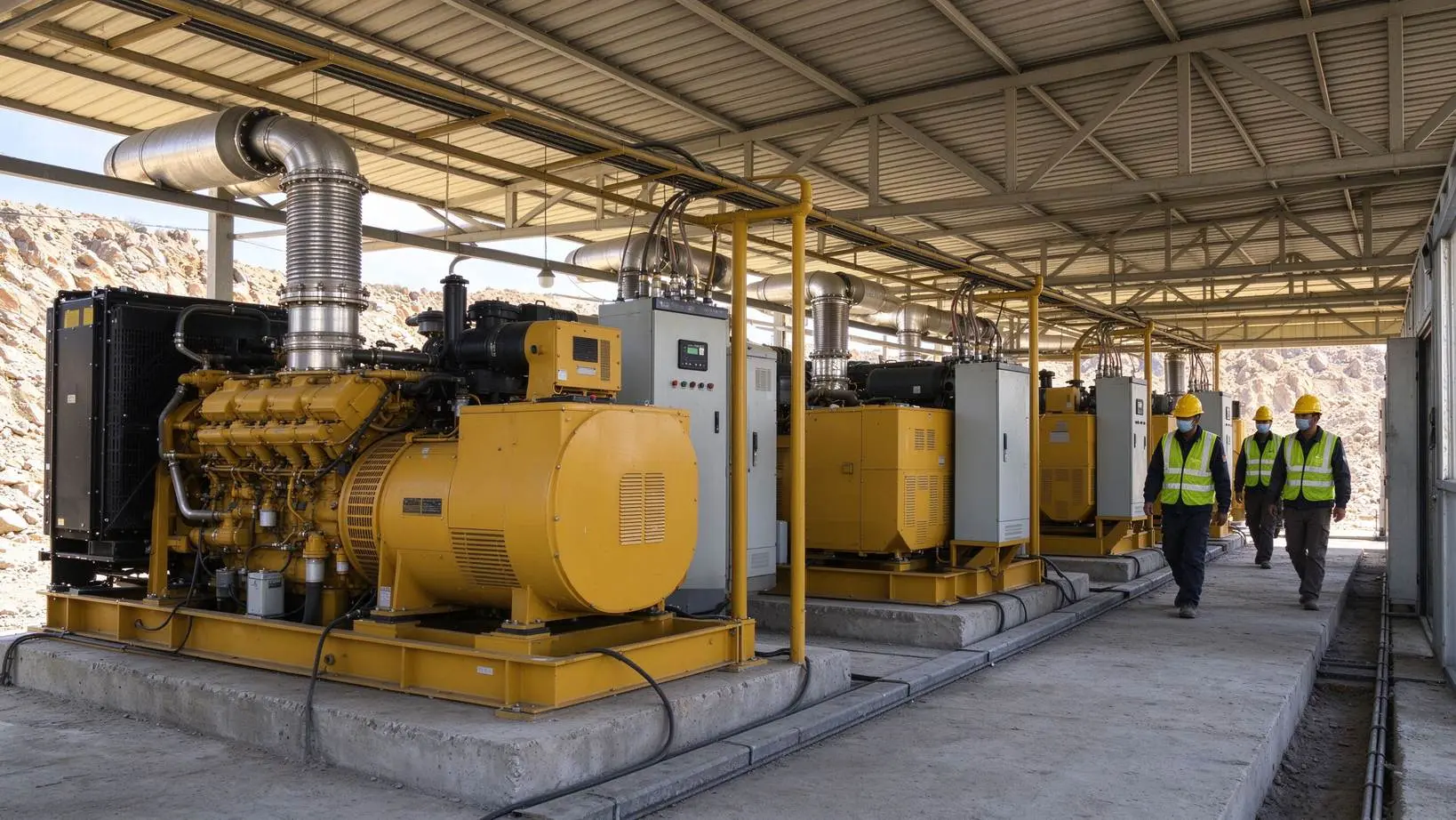
Mongolia mine main station
The primary energy source for the mine, where reliability and stability are critical and supply has to continue in harsh conditions.
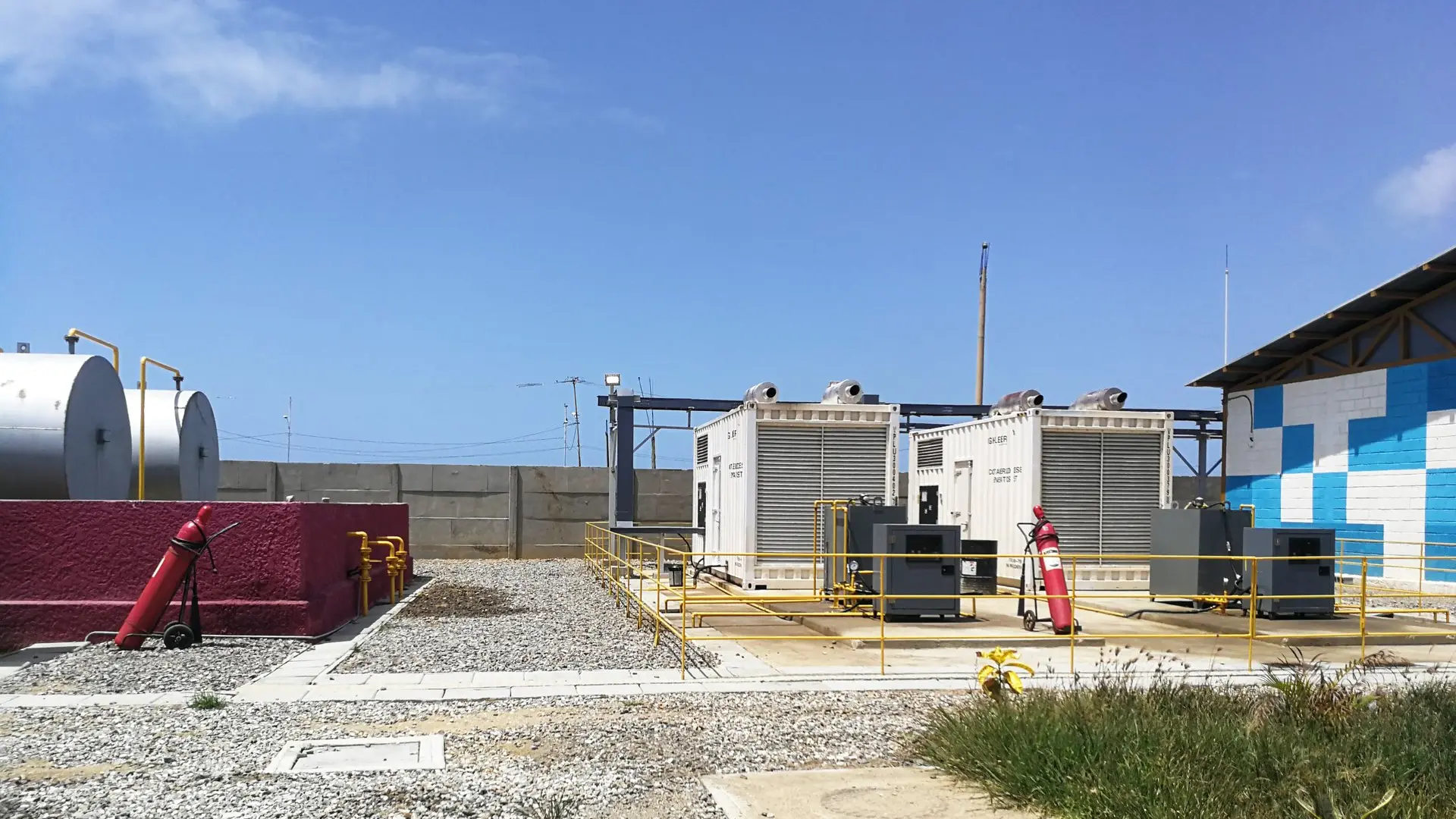
Macuto desalination plant, Venezuela
A desalination plant station has to satisfy continuous supply, high efficiency, environmental compliance, compatibility with the desalination process, and safety and economics at the same time.
03 — Design principle
Innovation and strategy,
carried into the drawing

We combine strategic thinking with practical solutions to improve the customer's odds, sustain growth and hold a competitive position in a moving market.
In engineering terms that is three things: get the load curve right, state the redundancy level clearly, and put the grid and protection conditions on the drawing.
If the project already has design-institute drawings or tender documents, send them over and we will check equipment configuration and compliance against them.
Have an island or peak-shaving project?
Tell us the installed capacity, the fuel available, the grid requirements and the schedule. We will return a buildable technical scheme and an equipment list.
